Drain Cleaning in Warrenton, VA for Clogs, Slow Drains and Backups
A slow drain is a warning. Water that lingers in a sink or tub means something is narrowing the pipe, and a plunger rarely reaches it.
Plumbers serving Warrenton clear the blockage with the lightest tool that works, then check why it formed so the same clog does not come back next month.
- Licensed and insured plumbers
- Same-day service when available
- 24/7 emergency dispatch
Slow, clogged or backed-up: three stages of the same trouble
A drain rarely fails all at once. It slows, then gurgles, then stops. Where the trouble shows tells a plumber how deep the blockage sits, so describe it before you reach for a chemical cleaner.
- Slow: water drains but lingers. Buildup is narrowing the pipe, often in the fixture trap or a short branch.
- Clogged: water sits in the sink or tub. A solid obstruction is blocking one fixture's line.
- Backed up: water or waste rises somewhere else when you use a fixture. The blockage is farther down, often in a shared line.
Drain cleaning methods: which tool fits which clog
There is more than one way to clear a drain, and the right one depends on what is blocking it and how far down it sits. The comparison below keeps the choices in plain language.
| Tool | Best for | Limit |
|---|---|---|
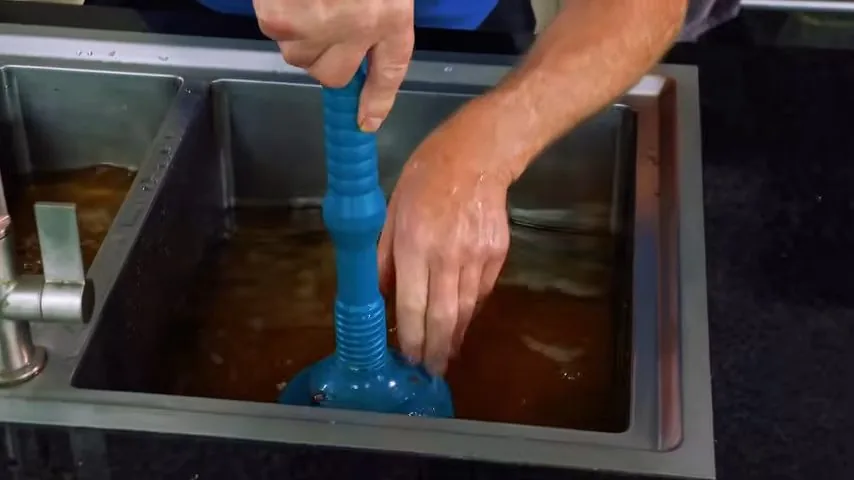
| Hand auger or snake | Hair, small obstructions and clogs in a sink, tub or toilet trap | Does not scour the pipe wall, so buildup can return |
| Rooter machine | Heavier blockages and roots in longer runs | A cutter makes a channel; it does not clean the full diameter |
| Hydro jetting | Grease, scale and sludge coating the pipe wall | Not suited to fragile or damaged pipe |
| Camera | Finding what a clog actually is and where | Shows the problem; it does not clear it |
Drain backing up right now?
Call the dispatch line and a plumber serving your area will schedule the earliest opening.
Snaking and rooter work
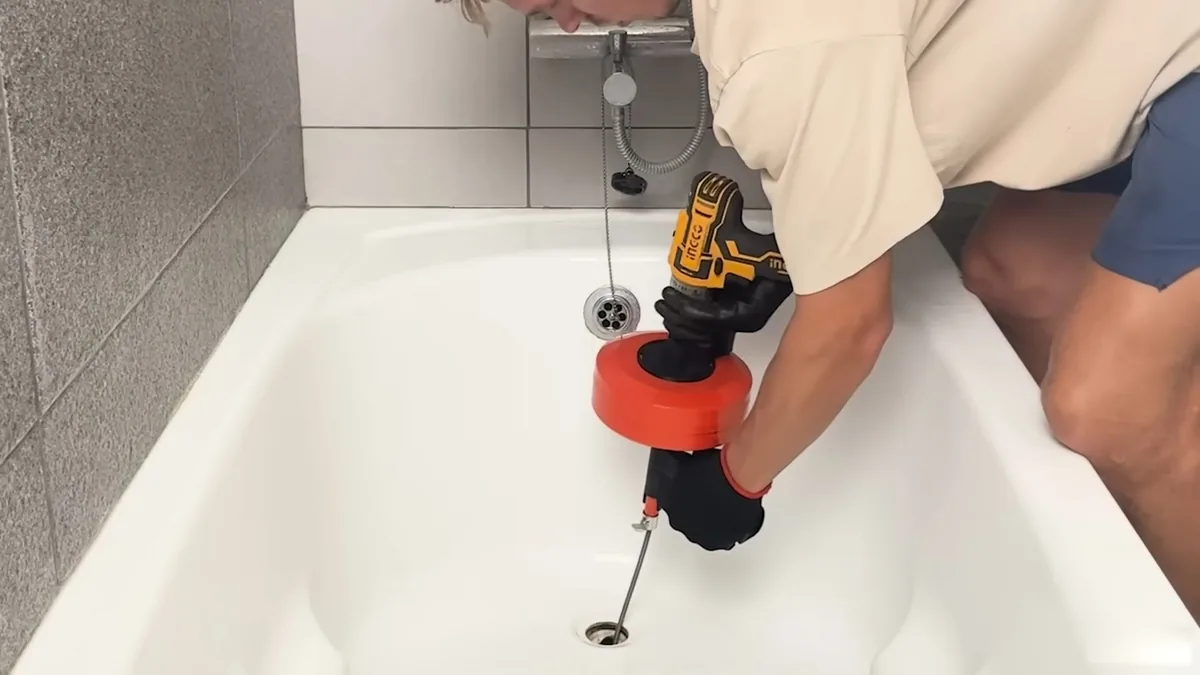
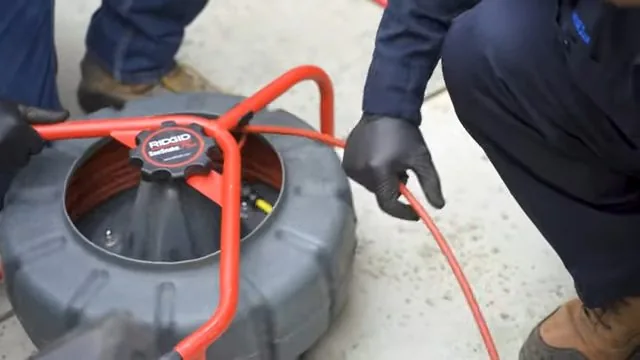
A snake feeds a coiled cable into the drain until it meets resistance, then turns to hook or break up the obstruction. It is fast and effective on ordinary clogs close to the fixture. A larger rooter machine runs a spinning cutter through longer sections and is the usual tool for a blocked main line.
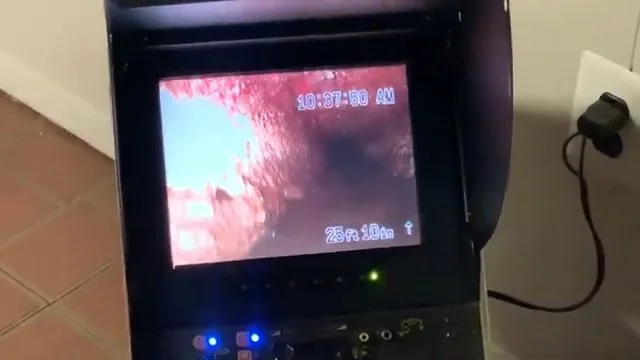
Plumbers also use cleaning to learn about the pipe. If the cable stops at the same point twice, or a smell or sound shows up in that spot, a camera is the next step. A camera inspection, also called a video scope, shows what the blockage is and where it sits. Clearing a clog without finding why it formed only resets the clock on the next one.
Hydro jetting for grease and buildup
Hydro jetting sends water at high pressure through a hose with a nozzle that points backward. The jets pull the hose through the pipe and strip the walls, which restores more of the pipe's diameter than a cable does. It suits kitchen lines and long horizontal runs where grease has built a coating.
A plumber checks the pipe first. Old or cracked pipe can be harmed by high pressure, and the camera shows whether jetting is safe. After jetting, a second camera pass confirms the line is clean and shows if the pipe needs more work.
Clogs at specific fixtures
A kitchen sink clogs from grease, food and soap scum that harden in the trap and the line behind it. Toilets clog on paper and wipes, and a tub or shower on hair and soap. Each has a different cause and a different fix.
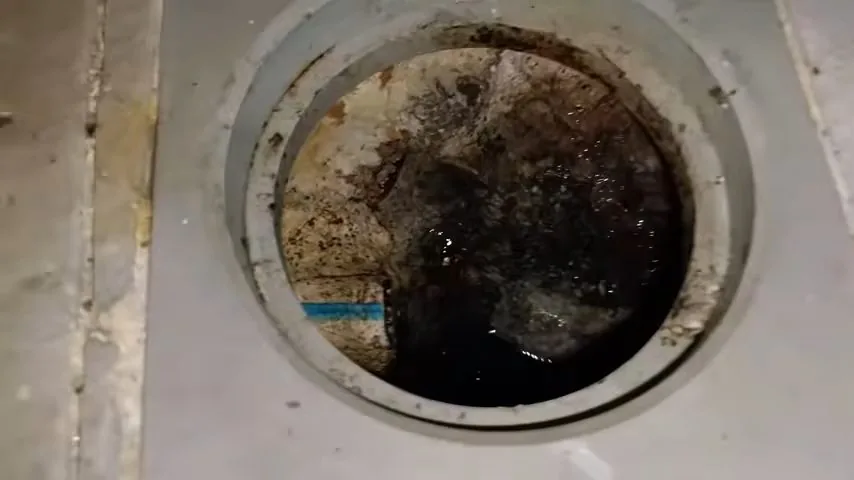
A bathtub or shower drain that pools around your ankles usually has a hair and soap plug in the strainer or the trap just below it. Lifting the strainer and pulling out the mat of hair clears many of them. If water still rises after that, the plug sits farther down the line and a cable is the next tool.
When the same fixture clogs again within weeks, the obstruction is likely deeper than the trap. When several fixtures slow together, the blockage sits in a shared line, and a main line clog often shows up first in the lowest drain in the house. That is the point to read about sewer line repair, where cameras and replacement are explained.
Same clog keeps returning?
Ask for a camera look at the line before paying for another quick clear.
Sump and ejector pump drains
A sump or ejector pit that no longer empties is a drainage problem, and it sits in this service because the discharge line can clog like any other. A plumber checks that the pump runs, that the discharge line is open, and that the check valve is not stuck. If the pump itself has failed, a replacement is discussed on site.
Do not reach into a pit while a pump is plugged in. Water, electricity and a moving float are a dangerous mix, and a plumber can disconnect power before anything is touched.
When the pipe itself is the problem
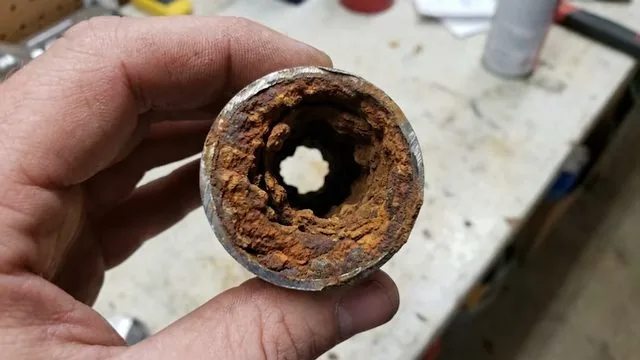
Some drains clog because the pipe is damaged. Old cast iron scales on the inside and narrows over decades. A section can crack, sag or separate at a joint, and then solids collect at the low point. Cleaning helps for a while, but repeating clogs on the same line are a signal.
A plumber confirms the pipe's condition by camera, then offers a patch, a section replacement or relining. Repairs in the yard require a Virginia 811 call before digging. Smaller repairs inside the house may not, though plumbing permit rules vary, and the Town's Community Development office (540-347-2405) or the Fauquier County permit office (540-422-8230) can say what applies.
Floor drains, odors, roots and commercial kitchens
A floor drain in a basement that smells is often a dry trap, and a few cups of water restores the seal. Tree roots enter through joints and return unless the joint is repaired. Restaurants and other food businesses face a heavier grease load, and their lines may need a regular cleaning schedule, which can be arranged on a visit.
Drain cleaning questions
What is the difference between snaking and hydro jetting?
Snaking opens a channel through a clog with a cable. Hydro jetting uses high-pressure water to scour the pipe wall and remove grease and buildup. Jetting is used when the pipe is sound.
Is a clogged main line an emergency?
If sewage rises in a tub or floor drain, yes. Stop running water and call. A single slow sink is not an emergency and can usually wait for a scheduled visit.
Why does my kitchen sink keep clogging?
Grease, food and soap harden in the trap and the horizontal line behind it. A plumber may recommend jetting for the line and habits that keep fat out of the drain.
Can I use chemical drain cleaner first?
It is better not to. Chemicals can damage some pipe, and they create a hazard for anyone who opens the drain later. A plumber can clear most clogs without them.
What do roots in a drain mean?
Roots enter through a joint or crack. Cutting them restores flow, but they return until the joint is repaired. A camera shows where they are entering.
Do you work on sump and ejector pump drains?
Yes, as part of drain work. A plumber checks the pit, the discharge line and the check valve. Pump replacement is discussed on site if the pump is the failed part.
Why is my shower draining slowly?
Hair and soap usually collect in the strainer and the trap beneath it. Pulling the strainer and removing the buildup helps. If the water still pools, the clog sits deeper and a cable clears it.
Can a clog damage my pipes?
Repeated hard clearing of a deteriorated pipe can. That is why a camera look is worth it when the same drain keeps stopping, especially in older cast iron.
Get the drain open, then find out why it closed
Whatever the hour, the dispatcher notes which fixtures are affected and sends a plumber serving your area with the right equipment.
- Licensed and insured plumbers
- Same-day service when available
- 24/7 emergency dispatch