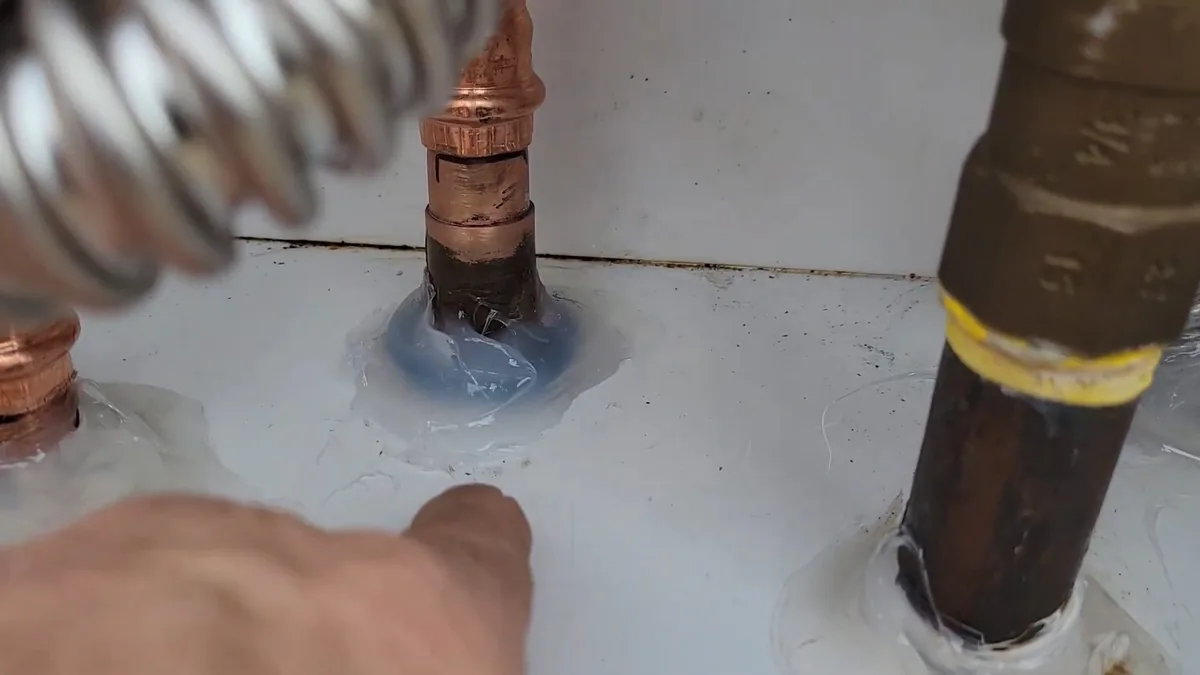
Water Heater Installation in Warrenton, VA: Gas, Electric or Hybrid, Sized and Permitted
A new water heater is a ten year decision, and the cost of a poor choice repeats every month. Fuel, size and venting all matter.
Plumbers serving Warrenton compare the options for your house, install the unit to code and haul the old tank away.
- Licensed and insured plumbers
- Same-day service when available
- 24/7 emergency dispatch
When replacing beats repairing
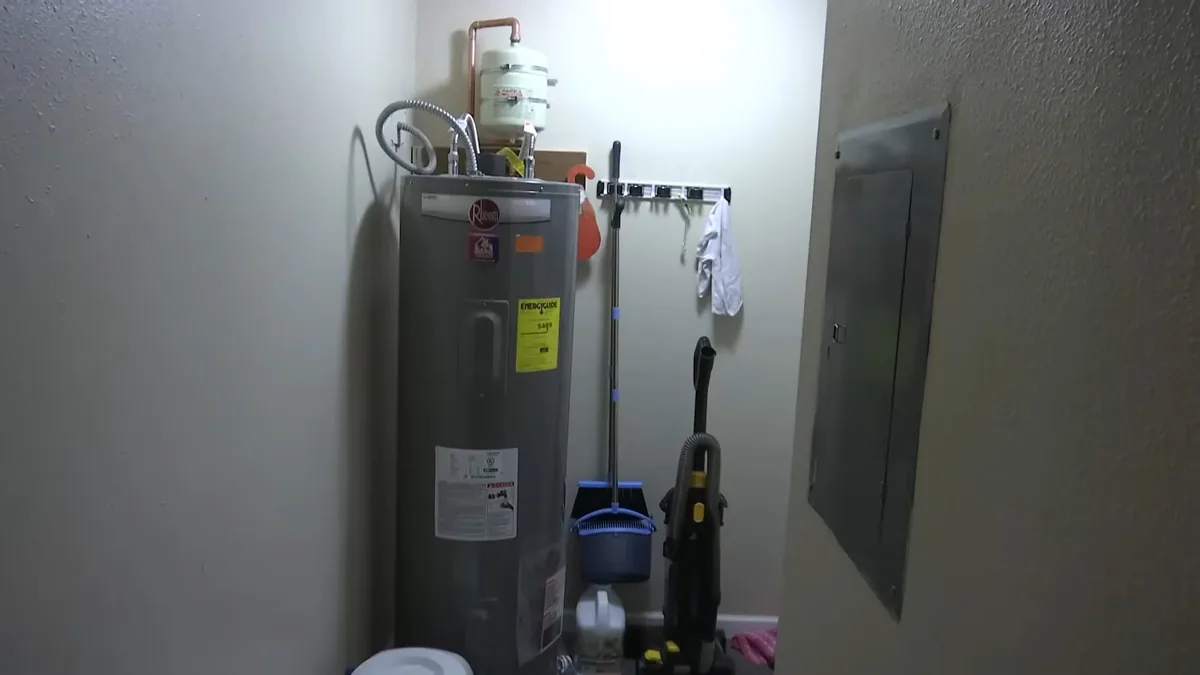
A water heater is worth replacing when the tank itself leaks, when it has run well past its expected life, or when repair costs begin to approach the price of a new one. A unit that fails at eleven or twelve years with rusty water and a crusted bottom is a candidate. One that failed at four years with a bad element is not.
Replacement is also a chance to change the setup. The same closet can take a larger tank, a different fuel, a hybrid unit or a tankless model, subject to venting, electrical capacity and gas supply. A plumber should lay those out before ordering anything.
Choosing the type and the size
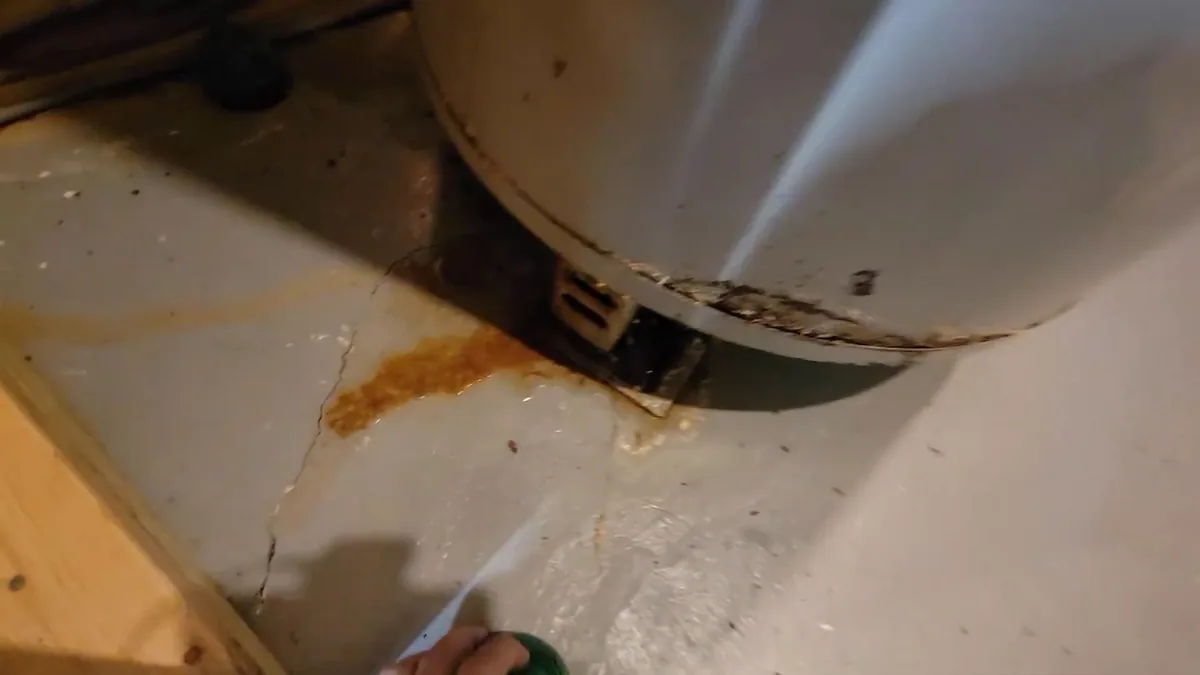
Four choices are common. The table compares them in plain terms, without brand names, since the right one depends on your house and your fuel.
| Type | How it works | Fits when |
|---|---|---|
| Gas tank | Burner heats stored water, vented outdoors | Natural gas or propane is already in the house |
| Electric tank | Elements heat stored water | No gas line, or a simple low-cost swap is wanted |
| Hybrid heat pump | Draws heat from the surrounding air | The room is large enough and has airflow |
| Point-of-use | Small under-sink unit for one tap | One far-off tap needs hot water quickly |
Sizing means choosing the gallons of capacity for the household, and it depends on how many people shower, how many bathrooms are in use at once and how hot you keep the water. A household of two and one of six rarely need the same tank. For the comparison against heating water on demand, read the tankless water heater page.
Old heater failing?
Call and a plumber serving your area will talk through the replacement options.
Installation: what the plumber does
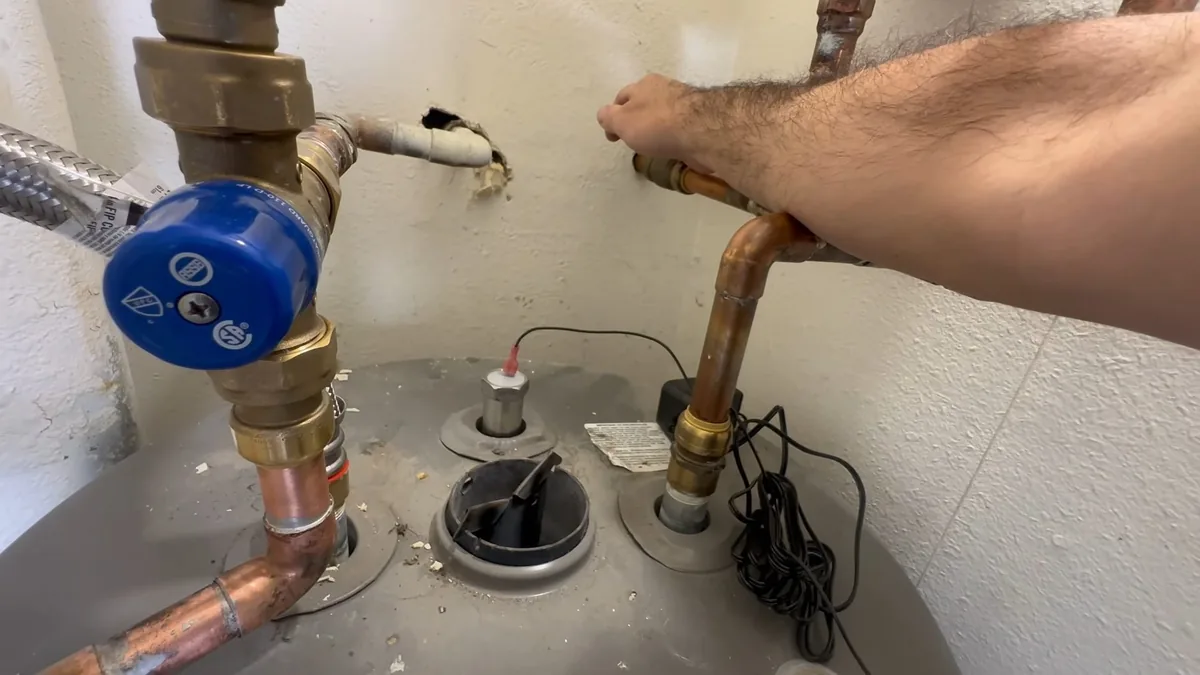
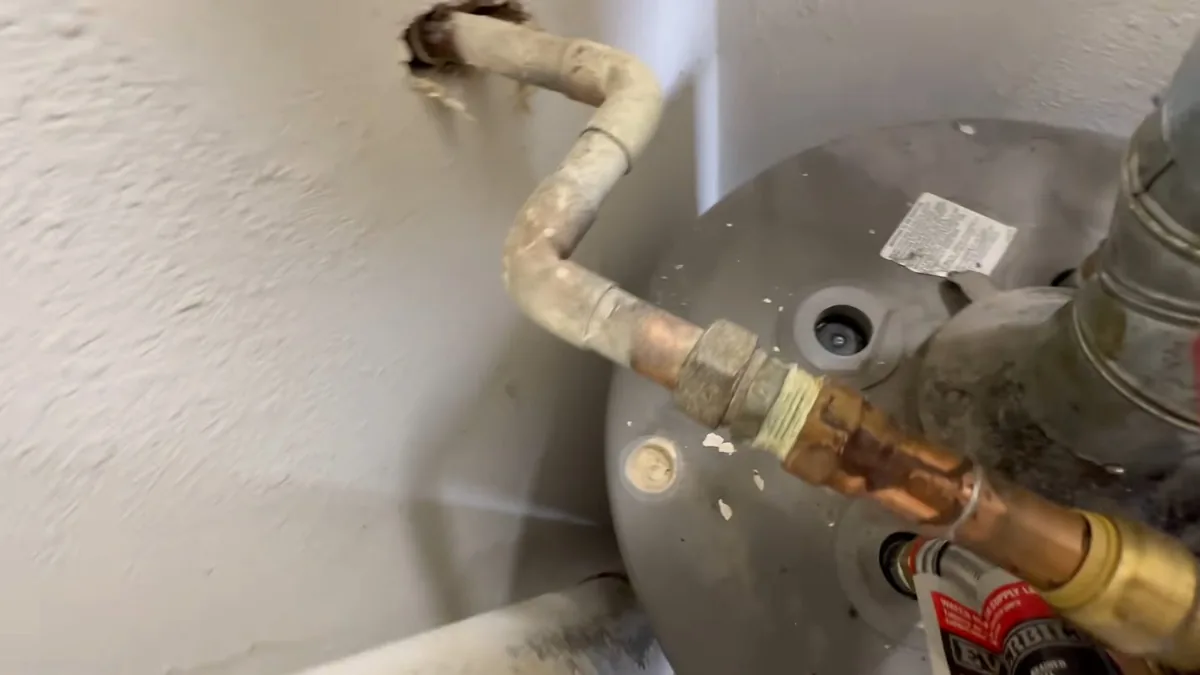
A clean installation is mostly careful steps in the right order. The old tank is drained and disconnected, the new one set on a proper pan or stand, and the connections made with new flexible lines or rigid copper as the layout allows.
- Shut off the water and the gas or power, then drain the old tank.
- Remove the old unit and haul it away.
- Set and connect the new heater, vent, relief valve and discharge line.
- Fill and purge the tank before the power or gas is turned back on.
- Test for leaks, draft and temperature, then explain the controls.
Ready to schedule?
Same-day replacement is often available when the unit is in stock.
Expansion tank, permit and code
Many homes have a backflow device or a pressure regulator at the main, which makes the plumbing a closed system. Heated water expands, and with nowhere to go, pressure climbs and the relief valve drips. A small expansion tank near the heater absorbs the extra volume.
Installing or replacing a water heater commonly needs a permit and an inspection, and the rules differ between the Town and the County. Permit questions go to Town Community Development at 540-347-2405 or to the County at 540-422-8230. A plumber can confirm which office applies to your address and whether the permit is part of the job.
Who should install it
A water heater is not a place to save by skipping the details. Choose a plumber who will give the make, model and capacity in writing, state what the price includes, and say who pulls the permit. Ask what happens to the old tank and whether a warranty covers parts and labor.
A new heater that is installed the same day is often possible when a plumber has the unit on hand. If your heater has already failed, the dispatcher can usually say whether a same-day visit fits the schedule in your part of Fauquier County. If gas lines need to be added or changed first, read the gas line page.
Water heater installation questions
How do I know it is time to replace the heater?
A leak through the tank, rusty hot water, heavy sediment noise and age past ten to fifteen years all point that way. A plumber checks condition before recommending a new unit.
What size water heater do I need?
It depends on household size, bathrooms and how many fixtures run at once. A plumber estimates demand and recommends a capacity, usually between forty and eighty gallons for tank models.
Can I switch from electric to gas, or the reverse?
Often, if a gas supply, venting and electrical capacity allow it. A change adds work, such as a vent or a new circuit, so the plumber prices the switch separately.
Do I need a permit?
Commonly yes. The Town and the County each run a permit office, so ask the plumber which one covers you and if the fee is part of the quote.
What is an expansion tank for?
It absorbs the extra volume when water heats up in a closed system. Without it, pressure rises and the relief valve may drip.
How long does installation take?
A straightforward swap often takes a few hours. A fuel change, new venting or code upgrades can take longer, and the plumber states the time before starting.
Can the new heater be installed the same day?
Often, when a suitable unit is available. The dispatcher decides after hearing the address and the problem, and nothing is promised beforehand.
Choose the right heater once
Whenever the heater fails, the dispatcher notes the current heater, the fuel and the symptoms, so a plumber serving your area can quote the replacement.
- Licensed and insured plumbers
- Same-day service when available
- 24/7 emergency dispatch