A warm or hot patch
Heat rising through tile or carpet suggests a hot water line is running under it.
A slab leak is a water line that fails beneath or inside a concrete floor. It is serious, but it is also overdiagnosed, since a warm floor or a high bill can come from several causes.
A plumber serving Warrenton confirms your foundation type first, tests the lines second, and discusses repair choices only after the location is marked.
Not every Warrenton-area house has a concrete floor with pipe beneath it. Many have a basement or a crawlspace, and in those homes the supply lines are usually reachable from below. The first job of any slab leak visit is to find out which situation you have, because the answer changes the whole repair.
A plumber will look at the lowest level, ask where the water heater and main shutoff sit, and trace where supply lines enter each room. Only when pipe runs through or under a poured floor does a slab leak become the working theory. Without a local source on foundation types for your street, this page makes no claim about what any particular neighborhood has.
Heat rising through tile or carpet suggests a hot water line is running under it.
A faint trickle or hiss with every tap and appliance off, strongest when you press an ear to the floor.
A shower that weakens for no reason, or taps that sputter, when the rest of the street seems normal.
Usage rises while habits stay the same. The meter confirms it by moving with every fixture off.
Lifting laminate, cupped boards, damp carpet or a musty smell in a single room.
One sign alone proves nothing. A plumber looks for two or three that agree, then tests before recommending any repair.
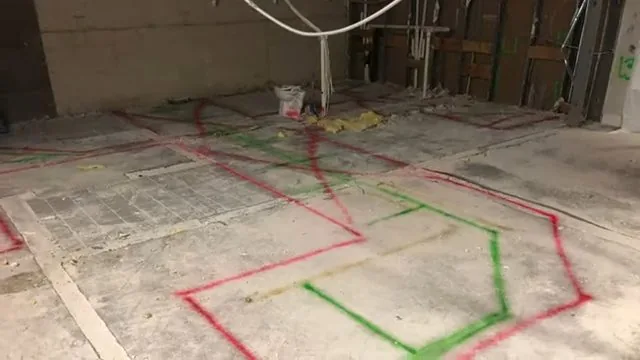
A plumber can confirm whether the leak is under the concrete before anyone opens it.
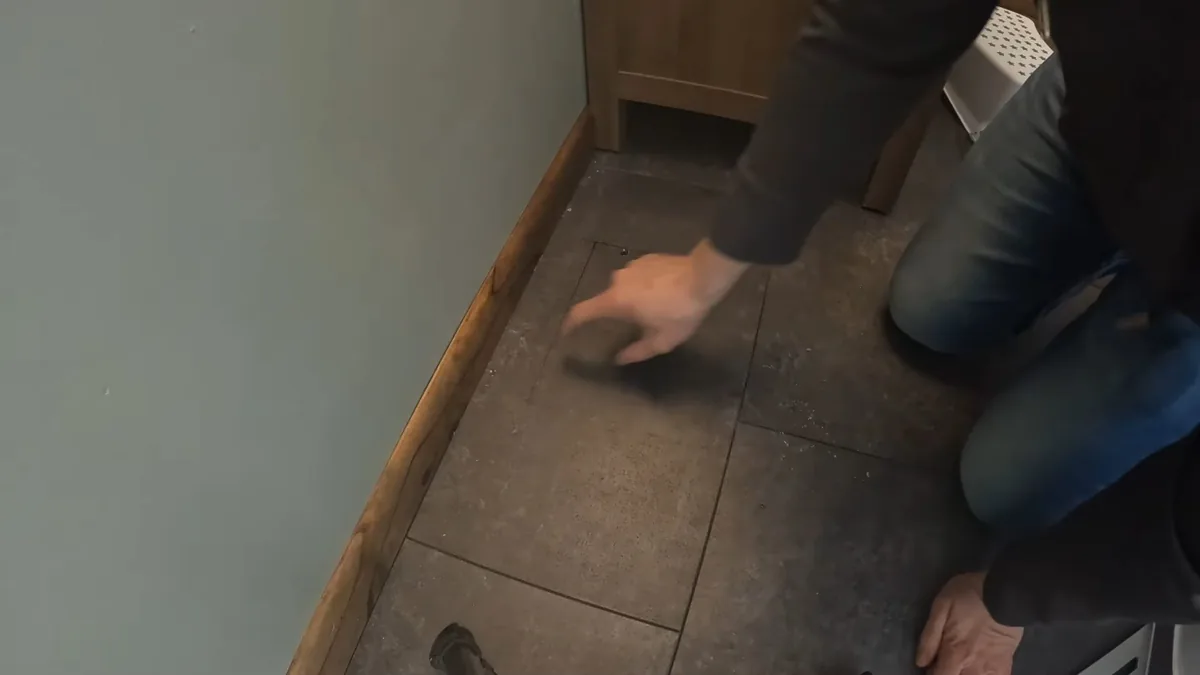
Detection should end with a mark on the floor, not a guess. The plumber works from broad to narrow, so the opening, if one is needed, covers as little floor as possible.
There is rarely only one way to fix a pipe under concrete. The table lays out the common methods in plain terms. A plumber should explain which ones suit your pipe, your floor covering and your budget.
| Method | What it involves | Often chosen when |
|---|---|---|
| Direct access | Opening the floor above the leak, or tunneling beneath it, then replacing the failed section | One clear break, and the floor finish can be restored |
| Reroute | Capping the old line and running new pipe through walls or the attic to the fixtures | The pipe has failed repeatedly, or floor damage would be heavy |
| Epoxy lining | Coating the inside of the old pipe so a pinhole is sealed from within | The pipe is sound outside, and access to both ends is possible |
| Full replacement | New supply lines to the whole house | Several slab leaks, or pipe that is failing across the house |
None of these is the default. A reroute can avoid breaking a finished floor but opens walls. A tunnel can protect flooring but is slower. Ask for the reasoning behind each recommendation.
Call the dispatch line and a plumber serving your area will walk through each method.
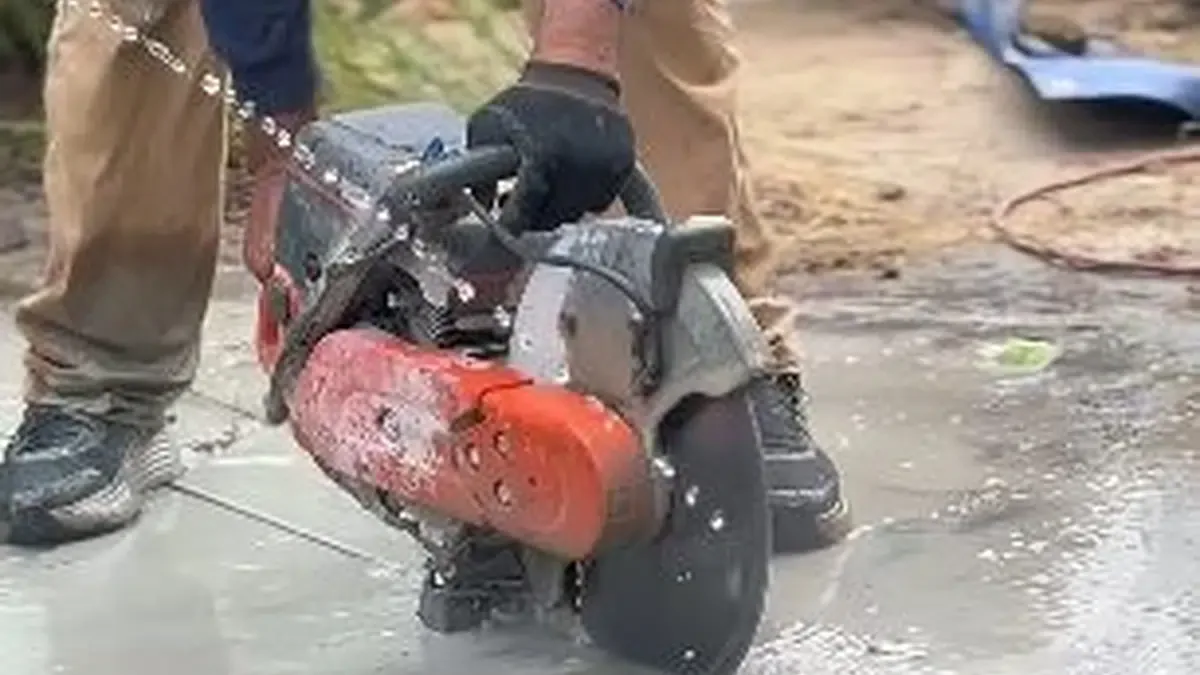
A cut in a slab is patched, not left open. The plumber opens a clean rectangle, repairs the pipe, tests it under pressure, and only then backfills and pours the patch. Flooring over the area, whether tile, wood or carpet, is a separate finishing job.
When pipe damage may have reached a structural point, a plumber stops and says so. Any question about the slab itself belongs with a structural engineer or the permit office, not a guess made on a plumbing visit. In the Town of Warrenton, Community Development takes permit questions at 540-347-2405; Fauquier County's office is at 540-422-8230.
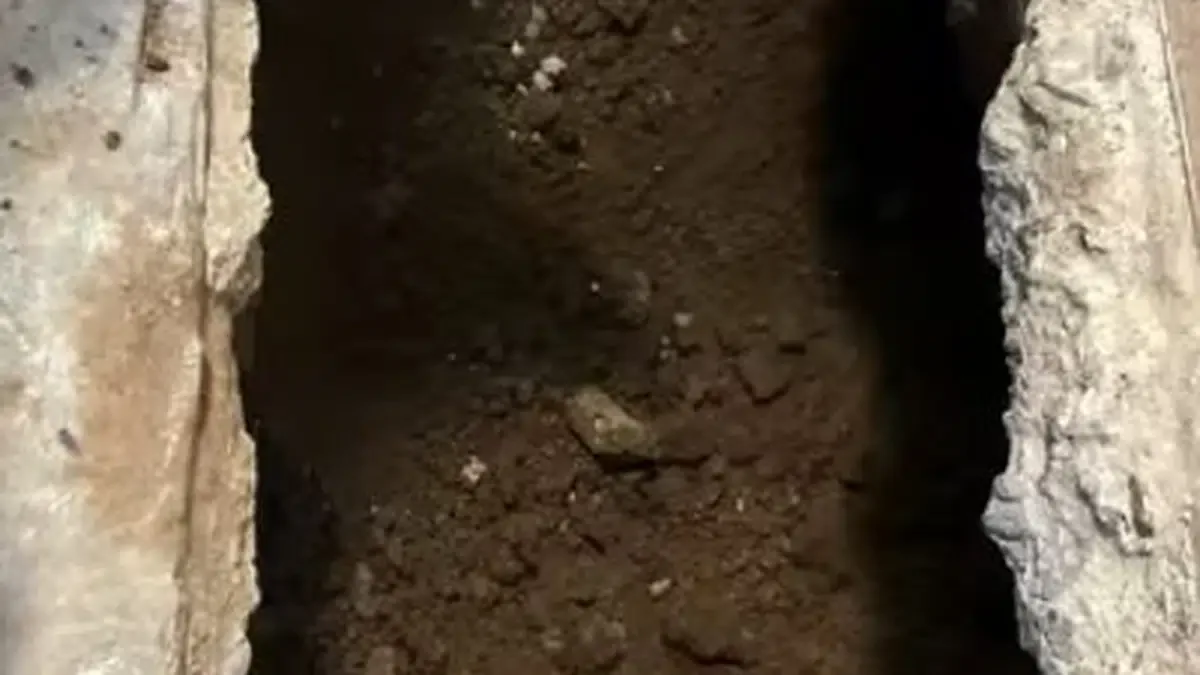
A pipe that leaks under a floor once may leak again at the next weak spot. When a repair history is building, compare a single fix with replacing the line, which the repiping page describes. If the leak turns out to be above the slab after all, the general leak detection page covers the wall and ceiling search.
Water that has already reached carpet, baseboard or drywall needs drying, and water damage cleanup explains what removal and drying involve. Many homeowners also ask about insurance. Policies vary on whether the pipe repair, the access cut or the finished floor is covered, so speak with your insurer before work begins and keep the plumber's written report.
The clues overlap. A warm floor, a hissing sound and a spinning meter together suggest it. A plumber confirms with pressure tests and listening equipment before calling it a slab leak.
No. Foundation types vary, and this site does not assume yours. Many houses have basements or crawlspaces. A plumber confirms what you have at the start of the visit.
Sometimes. Rerouting through walls or the attic, or lining the pipe, avoids breaking the floor. Whether those options fit depends on the pipe material, access and the extent of damage.
Treat it as urgent. Water under a floor can soften soil and damage finishes, and the bill keeps growing. Shut off the main if water is surfacing and call the dispatch line.
Coverage differs by policy and by what failed. Ask whether the repair, the access opening and the flooring are treated separately, and save the plumber's report and photos.
Often, for larger work. Town of Warrenton Community Development and Fauquier County each handle permits for their areas. The plumber can tell you which office applies to your address.
A reroute or direct repair is commonly a day or two, depending on access and drying. The plumber gives a window after locating the leak, since timing depends on the chosen method.
Whenever you call, the dispatcher records your address, symptoms and meter readings, with a plumber from your part of the county then sent to test the lines.