Emergency Repiping in Warrenton, VA: When Leak Repairs Stop Being Enough
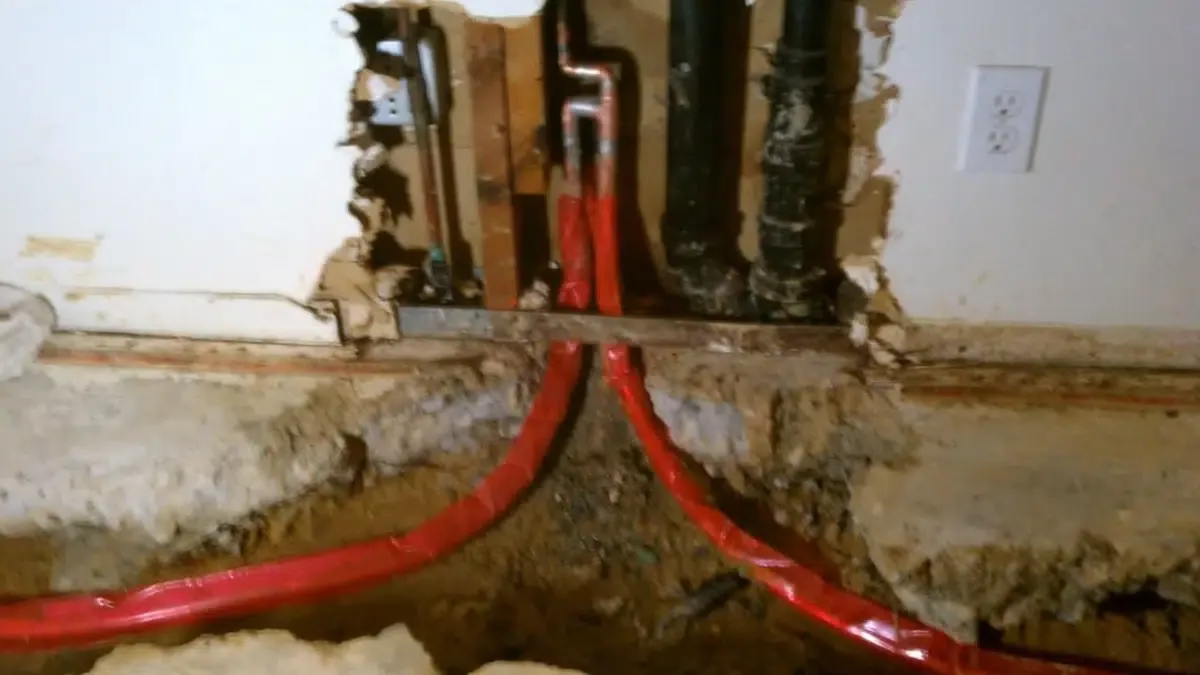
Pipes fail for a reason, and the reason decides the fix. A single split from a hard freeze is a repair. A line that keeps leaking at new places is a sign the pipe itself is finished.
Plumbers serving Warrenton respond to burst pipes at once, then lay out repair and repiping choices so you can compare the scope before work begins.
- Licensed and insured plumbers
- Same-day service when available
- 24/7 emergency dispatch
Burst pipe: stop the water, then decide what comes next
A burst pipe moves from nuisance to disaster in minutes. A split can release gallons per minute, soak insulation and drywall, and reach the electrical system. The right first move is not a repair but a shutoff.
- Close the main valve where the line enters the house, usually near the meter or the water heater.
- Open the lowest faucet to let the lines drain and relieve pressure.
- Switch off the water heater if the leak is on a hot line, so the elements are not left running dry.
- Photograph everything before anything is moved, for the insurer.
- Call the dispatch line and describe where the water is coming from.
Pipe burst or water everywhere?
Call the dispatch line now and shut the main while you wait.
Frozen pipes and the thaw that follows
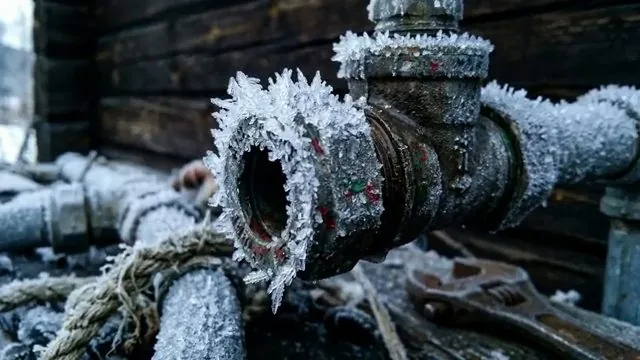
Cold weather is a real risk for exposed supply lines. Average January low temperatures near Warrenton sit around 24 degrees Fahrenheit, according to climate data from usclimatedata.com, and lines in an unheated crawlspace, garage wall or exterior wall can freeze on a hard night.
A frozen pipe often does no harm until it thaws and the split starts to flow. If a tap trickles or stops in freezing weather, open it slightly and leave the main valve ready to close. Do not use an open flame to thaw copper. A plumber can warm the pipe safely and inspect it for cracks before the line is pressurized again.
Pipe repair or whole-house repiping
The right size of fix depends on how often the pipes fail and why. One pinhole in sound copper is a repair. Three in a year, or a pipe that is thin, scaled or pitted in several places, points to replacement.
| Condition | Usual approach | Why |
|---|---|---|
| One leak, pipe otherwise sound | Cut out and replace a short section | Cheapest fix that solves the cause |
| Repeat leaks on one run | Replace that run | The pipe has aged along its length |
| Leaks at many points, or brown water | Whole-house repiping | Repairs would chase new failures |
| Damage from freezing | Replace the split plus any pipe that bulged | Frozen pipe can weaken without splitting |
For a single hidden break, see how leaks are found before deciding on a larger job.
Repairs keep adding up?
A plumber can compare a repair with replacement in plain numbers.
Materials a plumber may recommend
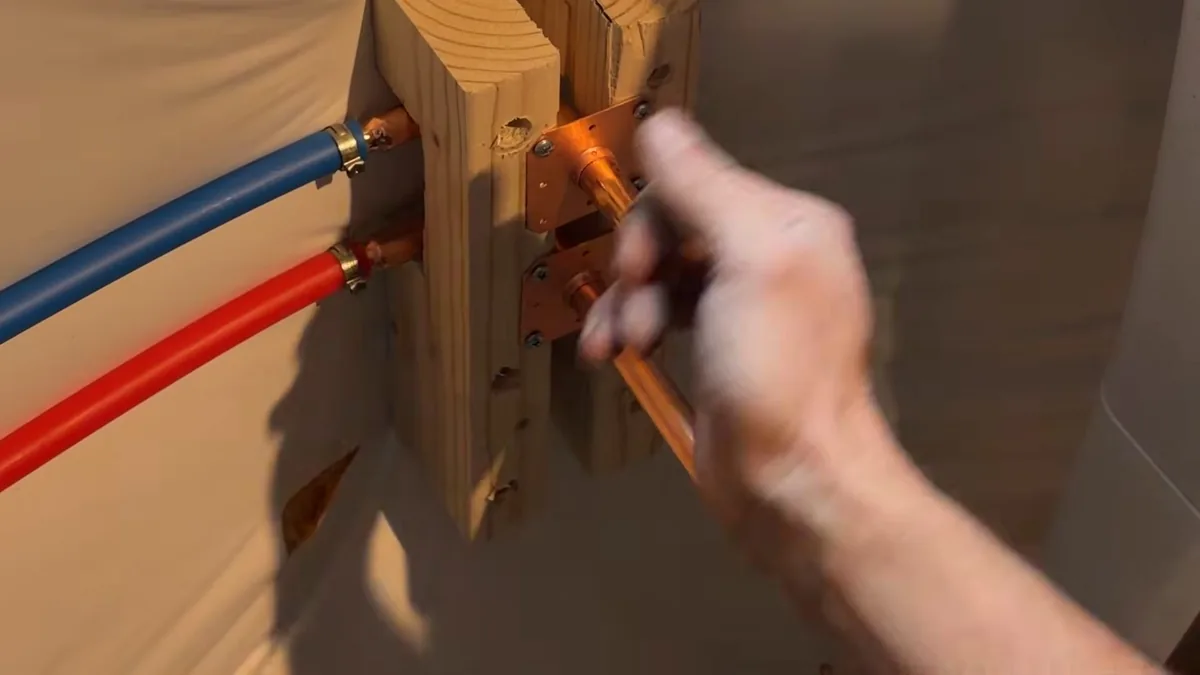
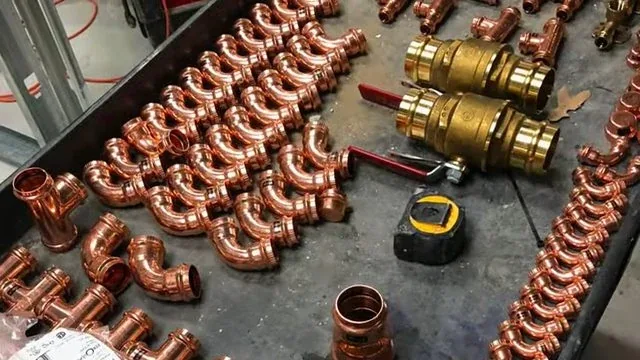
Copper has a long record in homes and is joined by soldering. PEX is a flexible plastic tubing that bends around corners, which can mean fewer wall openings. Galvanized steel, once common, corrodes from the inside, narrows over time and gives low pressure and discolored water.
Cast iron and PVC appear on drain lines, while CPVC is a rigid plastic used on supply lines. Polybutylene, a gray plastic supply pipe from older installations, is replaced when a plumber finds it. Drain materials are a different job from replacing a water supply. This page covers supply piping. A plumber should say which material fits your house, show you the sample and explain how it will connect to the old pipe. This page makes no claim about which pipe your house has; a look inside the wall or crawlspace settles that.
What replacement looks like in an occupied house
A whole-house repipe is planned to cause the least disruption. The plumber maps the new routes, opens small access holes in walls and ceilings, runs new lines, tests the system under pressure and then closes the openings. Water is usually off for part of a day, and the plumber tells you ahead of time which fixtures will be unavailable.
Drywall patching and painting are finishing steps and are normally a separate trade. Ask what is included and what is not. Large replacement work can require a permit, so the Town's Community Development line, 540-347-2405, or the County's permit line, 540-422-8230, can confirm the requirement for your address.
Pipes under the floor or in the ground
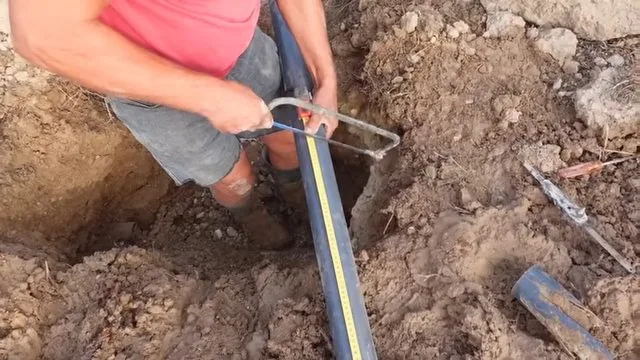
Lines that run under a concrete floor or in the yard are harder to reach, so a failure there is a larger decision. For a floor leak, the slab leak repair page compares tunneling and rerouting. For the buried line from the street, water line replacement explains the trench and the valve.
Any dig needs a Virginia 811 ticket first, and the plumber arranges it. Rerouting a bad underground or under-slab line overhead is often chosen because it avoids a trench through a finished floor, though it opens walls instead.
Repiping questions
How do I know I need repiping and not another repair?
Repeat leaks, low pressure, discolored water and visibly corroded pipe are the usual signs. A plumber inspects accessible lines and recommends repair or replacement based on what is found.
What should I do if a pipe bursts?
Close the main valve, open the lowest faucet, switch off the water heater and photograph the damage. Then call the dispatch line. A plumber serving your area confirms the arrival window.
Is galvanized pipe a problem?
It can be. Galvanized steel corrodes inside, reduces flow and can discolor water. If your lines are galvanized, a plumber can describe the condition and the options.
Can pipes be replaced without wrecking the walls?
Often with small access holes, particularly with flexible PEX. The plumber explains where openings are needed, and drywall repair is usually separate.
How long does whole-house repiping take?
It depends on house size and access. Many jobs take a few days, with water off for part of each day. The plumber confirms a schedule after seeing the layout.
Does repiping need a permit?
Often it does. The Town of Warrenton and Fauquier County have separate offices. The plumber can tell you which one covers your address.
Do you handle frozen pipes?
Yes. A plumber thaws the line safely, checks for cracks and restores service. Avoid open flames on copper, and keep the main valve ready to close.
Do not wait on a failing pipe
Nights and weekends included, the dispatcher notes where you are and what failed, then dispatches a plumber serving your area for a repair or replacement estimate.
- Licensed and insured plumbers
- Same-day service when available
- 24/7 emergency dispatch