Emergency Gas Line Repair in Warrenton, VA: Gas Smells, New Hookups and Pipe Replacement
A gas smell is the one plumbing problem where you should leave the building before you phone anyone. Safety comes before repair, and repair comes before restart.
Plumbers serving Warrenton inspect, repair and install gas piping once the house is safe, and test every line before gas is turned back on.
- Licensed and insured plumbers
- Same-day service when available
- 24/7 emergency dispatch
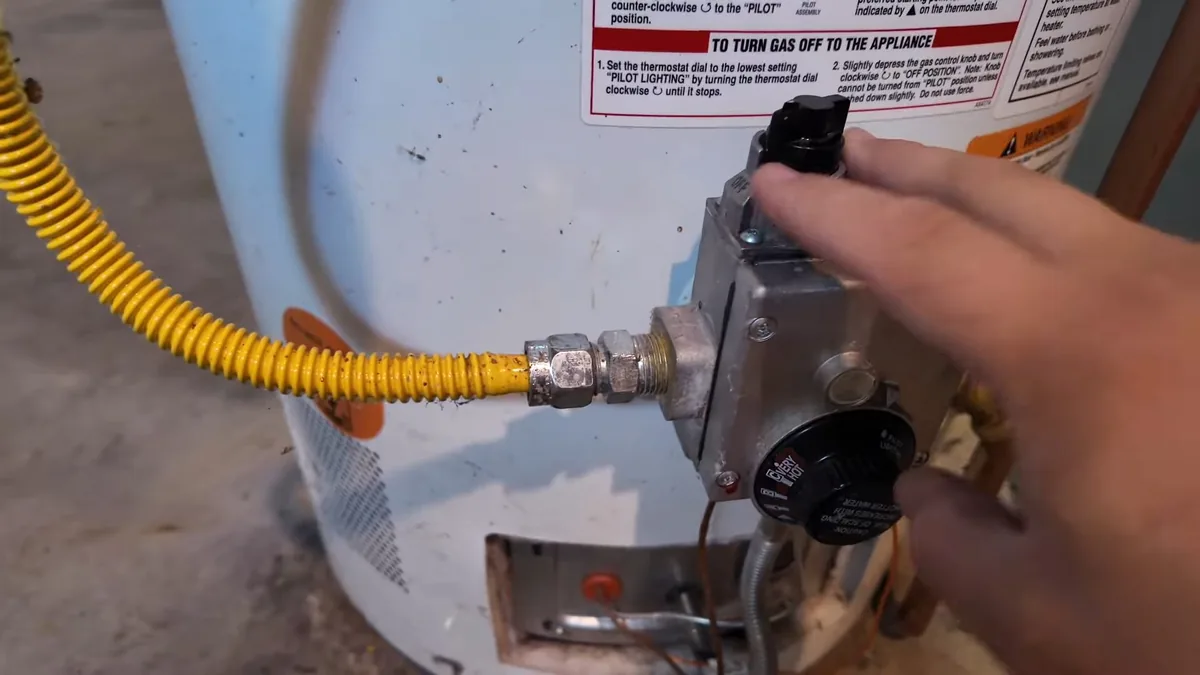
If you smell gas, the order of steps matters
Natural gas has an added odor so people notice a leak. A strong smell, a hissing sound near a pipe or appliance, or dead vegetation near a buried line are all reasons to act at once. The answer is to leave, not to investigate.
- Get everyone out, including pets, and leave doors open as you go.
- Do not flip switches, use a lighter or start a car in the garage.
- Call from outdoors, from a neighbor's house or from the street.
- Phone 911 and the gas utility. Natural gas customers in the Warrenton area are served by Columbia Gas of Virginia.
- Stay away until responders say it is safe, then arrange an inspection.
Gas appliance acting up?
After the house is safe, call and a plumber serving your area will inspect the line.
Gas line repair
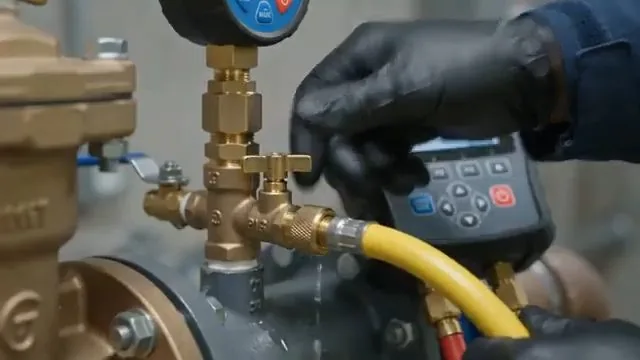
A repair begins with finding the leak, and that is done with a combustible gas detector and a pressure test, not by guesswork. Fittings, flex connectors and old valves are common weak spots. A plumber isolates the line, replaces the failed part and tests the system before gas is turned back on.
Some leaks are found at the meter or the regulator. Those belong to the utility, which has its own crews. A plumber works on the piping from the meter or the tank to the appliances, and can tell you which side the problem is on.
Black iron, CSST and when pipe is replaced
Two materials dominate indoor gas piping. Black iron is rigid steel pipe joined with threaded fittings and has served for generations. CSST is a flexible stainless tubing that goes in faster and bends around obstacles, and it has its own bonding and installation rules.
| Material | Strengths | Considerations |
|---|---|---|
| Black iron | Rigid, familiar and durable | Slower to install, and threads need proper sealant |
| CSST | Flexible, fewer joints | Needs correct bonding and manufacturer training |
| Copper in some older homes | Used where local rules once allowed | A plumber confirms it is acceptable before reuse |
Replacement is recommended when pipe is corroded, a fitting cannot be made tight, or a line is the wrong size for the load. Any gas work is normally permitted and inspected, so ask the plumber who pulls the permit.
Adding a range, dryer or grill?
A plumber sizes the line for the load before running pipe.
Gas line installation for new appliances
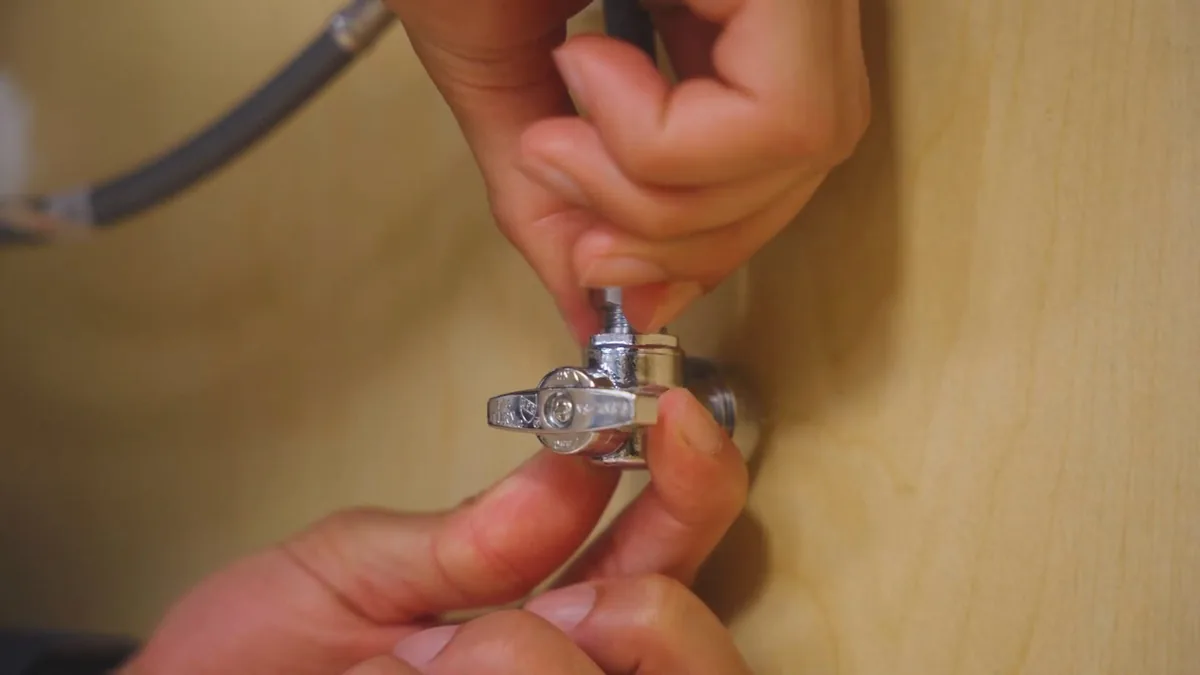
A new range, dryer, fireplace, grill or generator needs a gas supply of the right size and a shutoff valve within reach. A plumber adds up the load of every appliance on the line, checks whether the existing pipe can carry it, then runs a branch or a larger main.
- Kitchen range: a valve, a flex connector and a pressure check.
- Dryer: a dedicated line and valve behind the machine.
- Fireplace or fire pit: a rated line, a valve and a pressure test.
- Outdoor grill or generator: a buried or surface line with a shutoff near the house.
A tankless water heater is one of the largest loads in a house, which is why tankless water heater planning starts with the gas pipe. Replacing a tank heater with a gas model is covered on the water heater installation page.
Pressure tests, inspections and propane
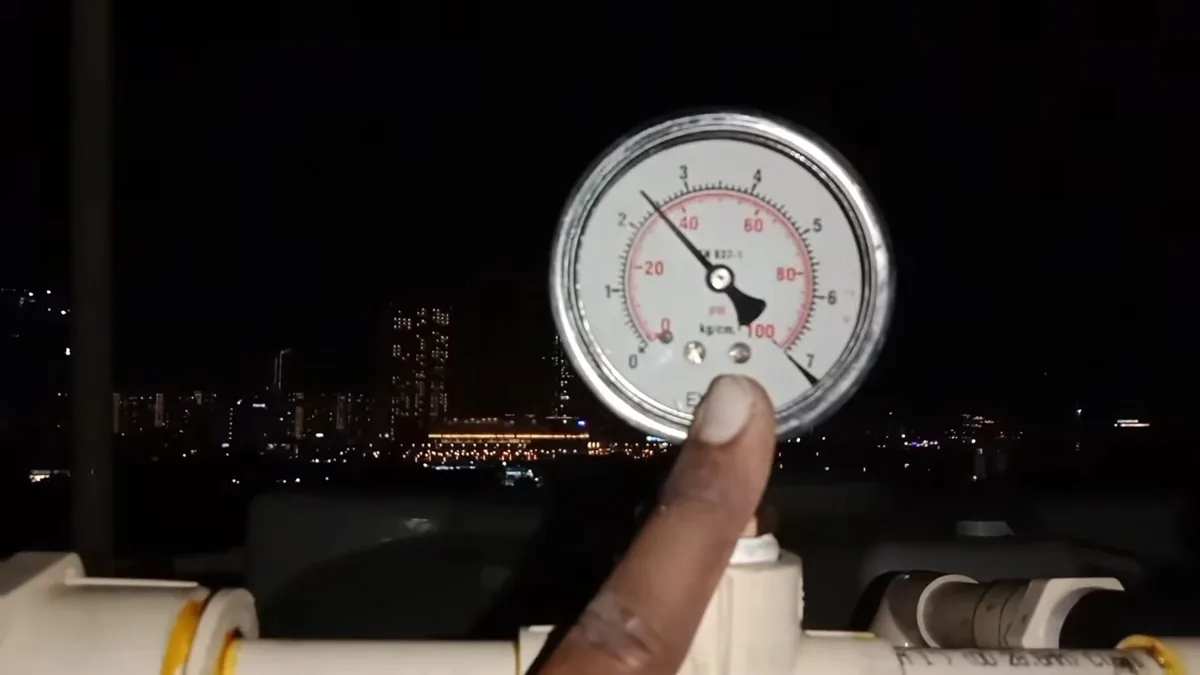
Before gas is turned on, a pressure test shows whether the new or repaired piping holds. The pressure is raised above working level for a set time, and a falling gauge means a leak. Local inspectors often witness it.
A meter-side leak and an appliance-side leak get different responders, so the first call matters.
Propane systems differ. A tank outside feeds a regulator, then a line into the house, and the supplier owns and maintains the tank. A plumber can work on the house piping, but the tank and the regulator are handled by the supplier. Permits for gas work come through the Town's Community Development office at 540-347-2405 or Fauquier County at 540-422-8230, depending on where the house is.
Gas line questions
What should I do if I smell gas?
Get out, stay clear of switches and flames, and phone 911 and the gas utility from a safe distance. Re-entry waits for responders to clear the house.
Who handles a leak at the meter?
Meter and regulator work belongs to the utility. Pipe beyond them, running to your appliances, is plumbing work, and a plumber can say where the fault sits.
What is the difference between black iron and CSST?
Black iron is rigid threaded steel pipe. CSST is flexible stainless tubing that goes in faster but has special bonding and installation rules.
Do I need a permit for a gas line?
Almost always for new or changed piping. The Town and the County each have a permit office, and the plumber confirms which one covers your address.
Can you run a gas line for a grill, fire pit or generator?
Yes, once the plumber has checked that your supply can carry the added load. The line gets a shutoff valve and a pressure test.
Is propane handled differently?
The supplier owns and services the tank and regulator. A plumber works on the house piping after them. Call your supplier as well as 911 if you smell propane.
How is a gas line tested?
The line is pressurized above working level for a set time while a gauge is watched. A falling needle means a leak somewhere in the system.
Safe first, then repaired and tested
After the utility or fire crew has cleared the house, call. The dispatcher records the appliance, the smell and what responders found.
- Licensed and insured plumbers
- Same-day service when available
- 24/7 emergency dispatch