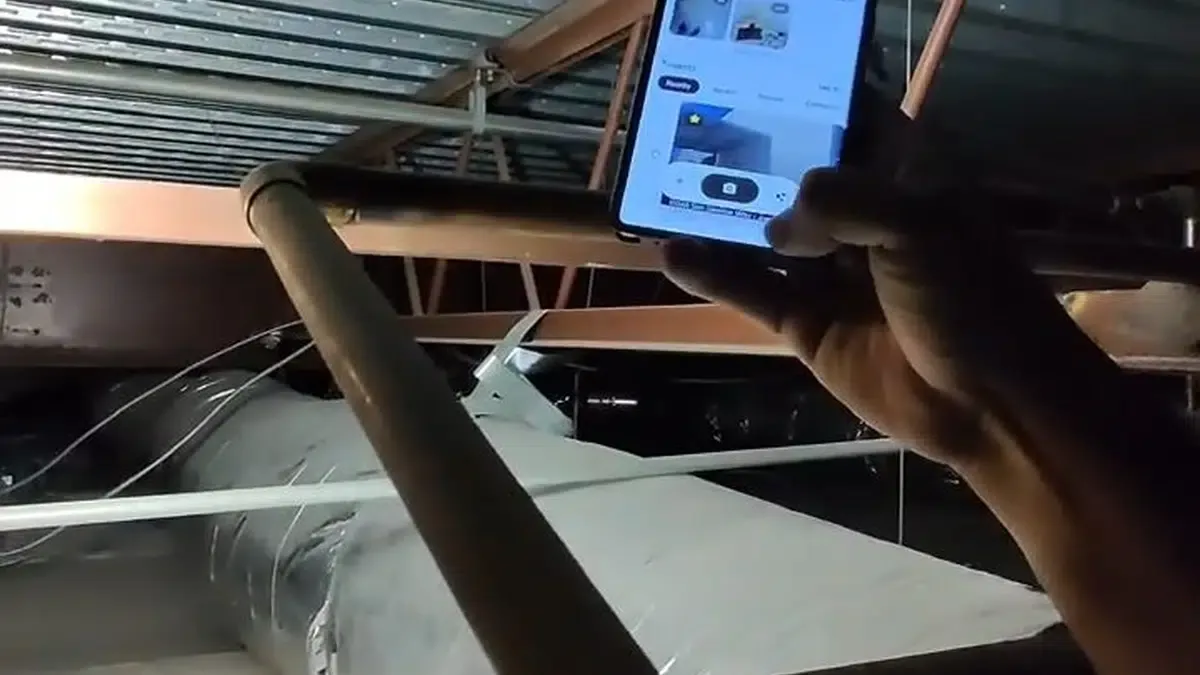
Emergency Leak Detection in Warrenton, VA: Find the Leak Before It Finds Your Ceiling
A leak is rarely where the stain is. Water travels along framing, pipe and slab edges before it shows itself, and a guess at the source can mean cutting the wrong wall.
Plumbers serving Warrenton use meter checks, pressure tests and listening gear to narrow the search first. Then they explain the repair and the price range before work starts.
- Licensed and insured plumbers
- Same-day service when available
- 24/7 emergency dispatch
Signs that water is escaping where you cannot see it
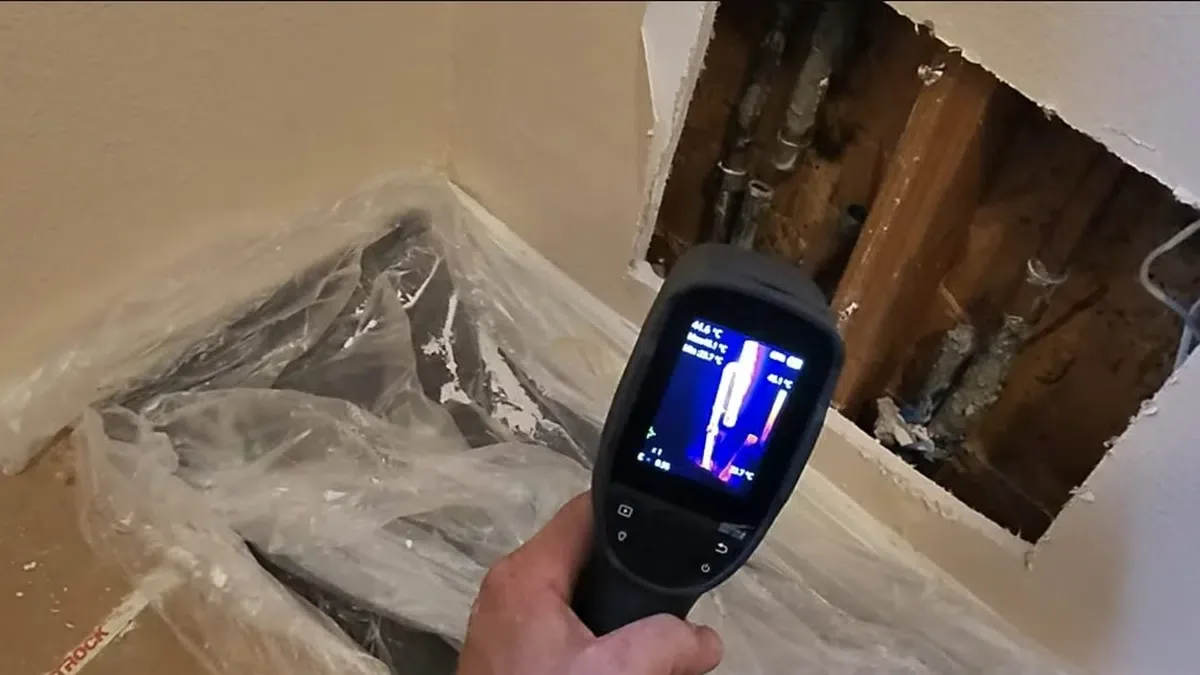
Most hidden leaks announce themselves long before a ceiling stains. The clues are small, and they stack up. A plumber doing leak detection starts by asking which of these you have noticed, because the combination points toward a part of the system.
- A high water bill that climbs with no change in how many people live in the house.
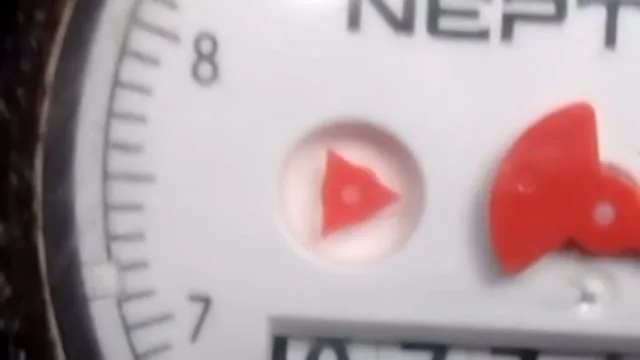
- A meter that keeps turning after every faucet, appliance and ice maker is off.
- Warm patches on a floor, or a hot water line that takes far too long to warm up.
- Hissing or trickling behind a wall when the house is otherwise quiet.
- Musty odor, bubbling paint or a baseboard that has started to swell.
Where leaks hide and how a plumber confirms each one
The table below pairs the clue you can see with the likely source and the first test a plumber runs. It is a starting map, not a diagnosis. Two clues often point to the same pipe, which is why testing comes before opening anything.
| What you notice | Likely source | First test |
|---|---|---|
| Meter spins with everything off | Leak between the meter and the house, or inside the house | Shut the main valve and see whether the dial stops |
| Stain growing on a ceiling below a bathroom | Supply line, drain or shower pan above | Run each fixture in turn and watch the stain |
| Damp spot in the yard, turf greener in one strip | Service line outside the foundation | Meter test, then line tracing with a locator |
| Warm floor in one room | Hot water supply line under or in the floor | Thermal scan and pressure test on the hot side |
| Pressure drops when only one tap is open | Leak on that branch or a failing valve | Isolate the branch and hold pressure on it |
Water loss you cannot trace?
Call the dispatch line, describe the clues, and a plumber serving your area will schedule the search.
How the search works, one step at a time
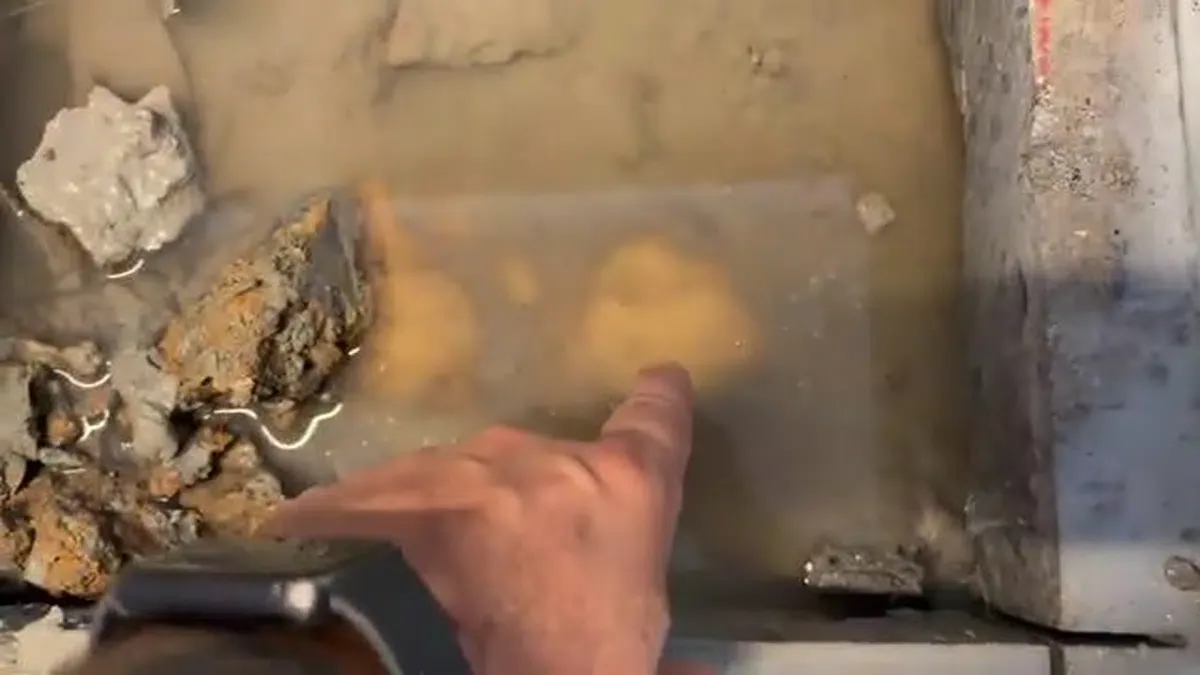
A systematic search keeps walls intact. Each step removes part of the house from the list of suspects, and the plumber stops cutting only after the location is narrowed to a few feet.
- Isolate. Close fixture stops and appliance valves, then close the main valve to see which side of it the water loss is on.
- Pressure test. A hydrostatic test, with gauges holding the supply lines under pressure, is next. A falling needle means a leak is present; a steady needle clears that line.
- Listen. Acoustic equipment picks up the sound of water escaping through a pipe wall, even through drywall or a slab.
- Scan. A thermal camera shows a warm hot-water line or a cool wet patch behind a surface that looks dry.
- Camera. A small scope can go into a cavity or crawlspace when a wall opening is the only other choice.
When the answer is under the house or behind a wall
A home with a basement or crawlspace gives a plumber room to look at pipe from below, and that often means the leak can be fixed without any demolition. A leak inside a finished wall or above a ceiling needs a small, planned opening. A good plumber cuts the least drywall that will let the pipe be reached, then leaves the patch ready for a painter.
For wall and ceiling leaks, the first question is whether water is coming from a supply line, a drain or the room above. Supply leaks keep going until a valve is closed. Drain leaks show up only when something is flushed or poured down. Knowing which one you have shortens the visit, so write down when the stain gets worse.
Irrigation lines are a separate trade, so a lawn sprinkler system is not part of this service. If the meter test points to an outdoor zone valve, a plumber will tell you so and the sprinkler contractor handles it.
Leak found, repair next
A plumber explains the cause and the options before cutting a single pipe.
Leak repair: choosing between a patch and a section replacement
Once the break is found, the repair depends on the pipe and its condition. A pinhole in otherwise sound copper can be cut out and bridged with a new piece. A split caused by freezing usually means a longer section comes out. Brittle or heavily corroded pipe nearby is a different story, since fixing one leak can lift pressure against the next weak point.
That is when it helps to compare a single repair with a larger one. If the same pipe has failed before, read about replacing sections of supply pipe before approving another patch. If the break sits under a concrete floor, the slab leak page explains the added steps. A plumber should tell you the cause, the proposed fix and the alternatives before any cutting starts.
Fixture leaks and hidden leaks are different problems
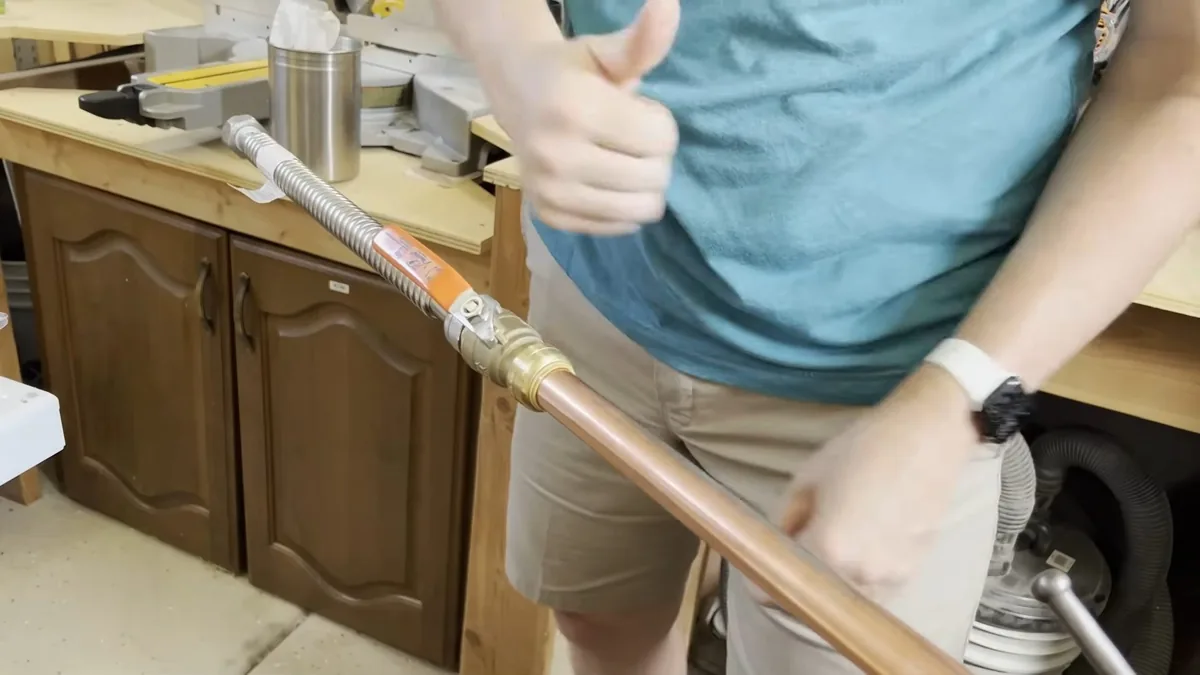
A dripping faucet, a running toilet and a weeping supply stop are visible, inexpensive to confirm and usually quick to repair. They also waste more water than people expect, so they belong in the same visit as any hidden-leak search. Details on those parts are on the faucet and toilet repair page.
Hidden leaks behave differently. They run quietly for weeks, soak insulation and framing, and show up as a bill or a stain. If the main line outside is the culprit, water line repair and replacement covers the trench work and the shutoff valve.
A plumbing inspection can sit alongside the search. A plumber checks visible supply lines, stops, drain connections and the water heater for corrosion, then lists anything likely to fail. It does not replace a home inspector, but it gives you a short repair list written for the plumbing alone.
Digging in the yard: call Virginia 811 first
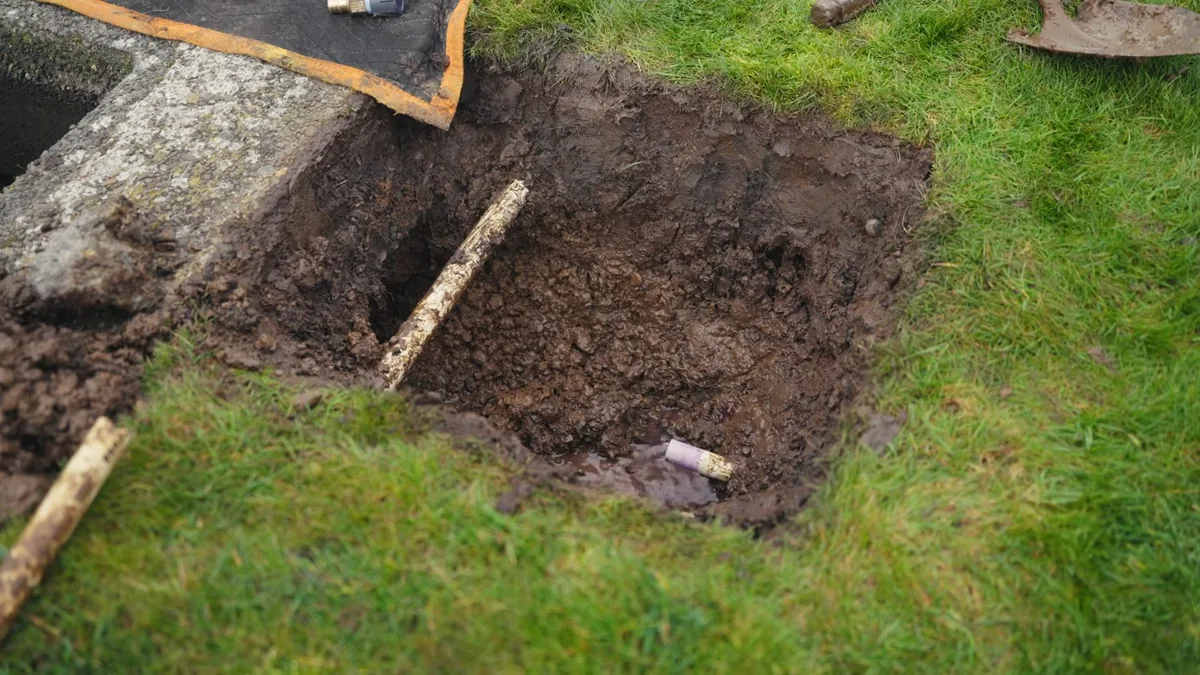
Some leaks need a trench. Virginia law requires anyone who digs to contact VA811 before the work, and the contractor must hold a valid ticket for the job. Utilities then mark buried lines.
What VA811 says
- Contact VA811 at least three working days before digging.
- Utilities mark their lines within about three business days.
- The contractor on the job needs a valid ticket.
A homeowner who plans to dig a repair trench without a plumber is bound by the same call. Marking protects gas, electric and communication lines that run near water service.
A leak and your water bill
Utilities bill for what passes through the meter, including water that never reached a tap. The Fauquier County Water and Sanitation Authority publishes a courtesy leak adjustment form, and its number is 540-349-2092. Inside the Town, the number for Public Utilities is 540-347-6574, and staff there can explain how a leak is handled on an account.
Keep the plumber's written description of the cause and the repair date. Utilities and insurers both tend to ask for it, and a clear invoice makes the conversation shorter.
Same-day visits are often available, depending on the schedule in your corner of Fauquier County. The dispatcher confirms timing after hearing the address and the symptoms. Nothing is promised until then.
Leak detection questions homeowners ask
How do I know if I have a hidden leak?
Turn off every fixture and appliance, then check the meter. If the dial or the small triangle keeps moving, water is leaving somewhere. A bill that rises without a reason is the other common clue.
Can a plumber find a leak without opening the wall?
Usually the location can be narrowed with pressure tests, listening equipment and thermal scans first. A small opening is still needed to repair most concealed pipe, but it can be cut to a few inches.
What is the difference between detection and repair?
Detection finds the source and confirms what failed. Repair fixes it. Many plumbers do both in one visit when the pipe is reachable, and they separate the two on the estimate.
Is a leak behind a wall covered by insurance?
It depends on the policy and the cause. Sudden bursts are treated differently from slow seepage over time. Ask your insurer before repairs, and keep photos and the plumber's written findings.
Do you inspect plumbing as well as find leaks?
Yes. A plumbing inspection looks at visible supply lines, stops, drains and the water heater, then lists what is worn. It is a plumbing review only and does not replace a full home inspection.
Do you handle sprinkler leaks?
No. Irrigation is a separate trade. If a meter test points to an outdoor zone, the plumber will say so and you can call a sprinkler contractor.
What if a leak is under a concrete floor?
Concrete changes the repair, because the pipe may need rerouting overhead or a trench through the slab. The slab leak page explains the options before any cutting is considered.
A plumber can start tracing today
Phone in at any time and the dispatcher notes the address, the clues and whether water is still running, then sends a plumber serving your area.
- Licensed and insured plumbers
- Same-day service when available
- 24/7 emergency dispatch